

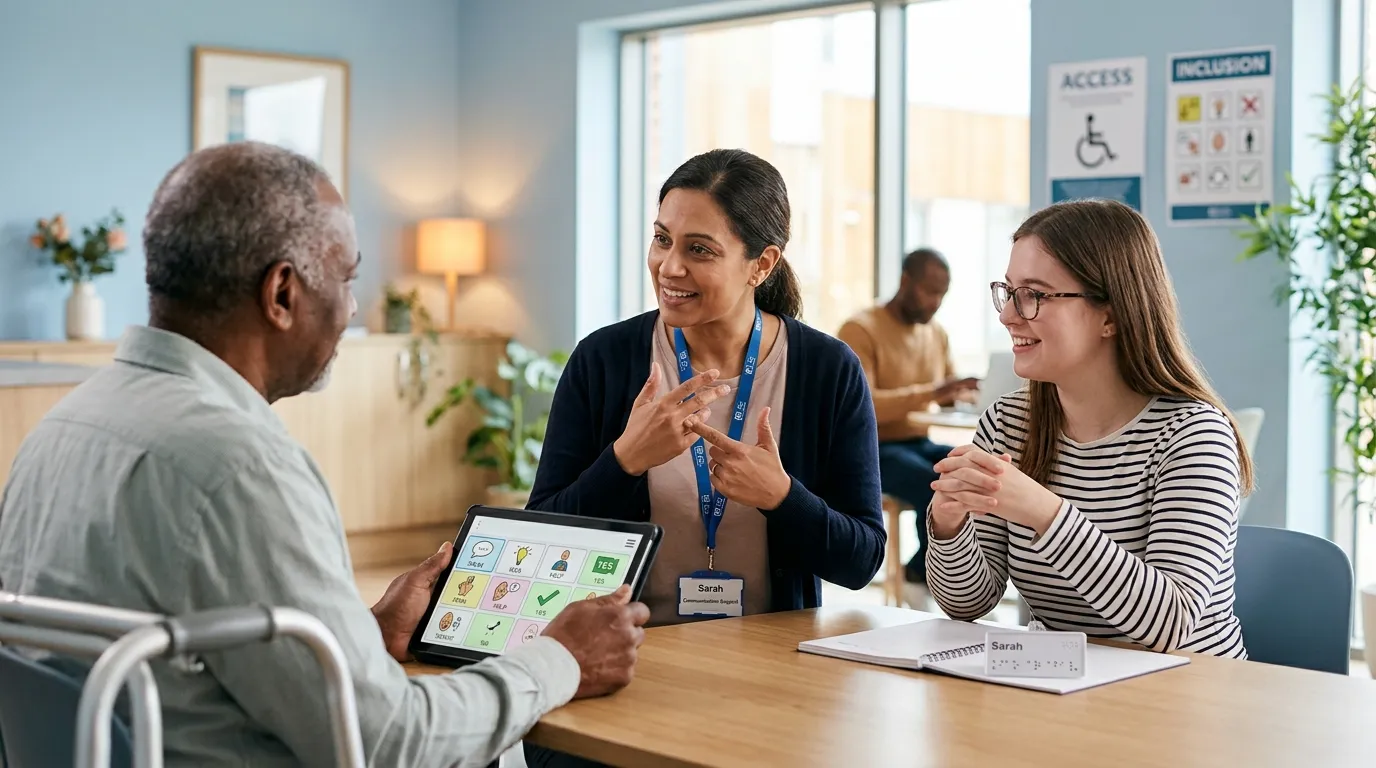
A communication support worker (CSW) helps people with hearing loss, speech difficulties, or communication needs to access information and express themselves. They often work in schools, supporting deaf or special needs students through sign language, note-taking, and one-on-one assistance so every learner can fully participate.
Some roles work quietly behind the scenes yet change lives every single day. The communication support worker is one of them. These dedicated professionals bridge the gap between people who struggle to communicate and the world around them, whether that means interpreting for a deaf student in a classroom or helping someone with a speech impairment make their voice heard.
If you’ve ever considered a career that blends compassion, skill, and real impact, this could be the path for you. Demand for communication support workers is growing across education, healthcare, and community services—and the work is deeply rewarding.
This guide covers everything you need to know: what the job involves, the skills you’ll need, how to get qualified, and what the career path and salary look like. By the end, you’ll have a clear picture of whether this role is the right fit for you.
What Is a Communication Support Worker?

A communication support worker is a trained professional who assists individuals who have difficulty communicating due to hearing loss, speech impairments, learning disabilities, or other conditions. Their main goal is to make sure these individuals can access information, take part in conversations, and express themselves fully.
You’ll find communication support workers in a range of settings, but they are most common in schools, colleges, and universities. They also work in hospitals, workplaces, and community organizations. Wherever someone needs extra help to communicate, a CSW can step in.
The role is sometimes confused with that of a sign language interpreter. While there’s overlap, a communication support worker often provides broader support—not just translating language, but also helping with note-taking, lipreading practice, and general learning assistance.
What Does a Communication Support Worker Do? Roles and Responsibilities
The daily tasks of a communication support worker vary depending on who they support and where they work. Still, most roles share a common set of responsibilities.
Here are the core duties you can expect:
- Facilitating communication: Using British Sign Language (BSL), American Sign Language (ASL), or other methods to relay information between an individual and others around them.
- Note-taking: Writing or typing notes for students who can’t listen and write at the same time, such as those who rely on lipreading.
- Supporting lipreaders: Sitting in clear view and speaking naturally so the person can follow along.
- Adapting learning materials: Modifying handouts, worksheets, or presentations to suit the individual’s communication needs.
- One-on-one support: Helping a student understand instructions, complete tasks, and stay engaged during lessons.
- Building confidence: Encouraging individuals to communicate independently and advocate for themselves.
In short, a communication support worker does whatever it takes to remove communication barriers and help someone participate fully.
Communication Support Worker Job Description
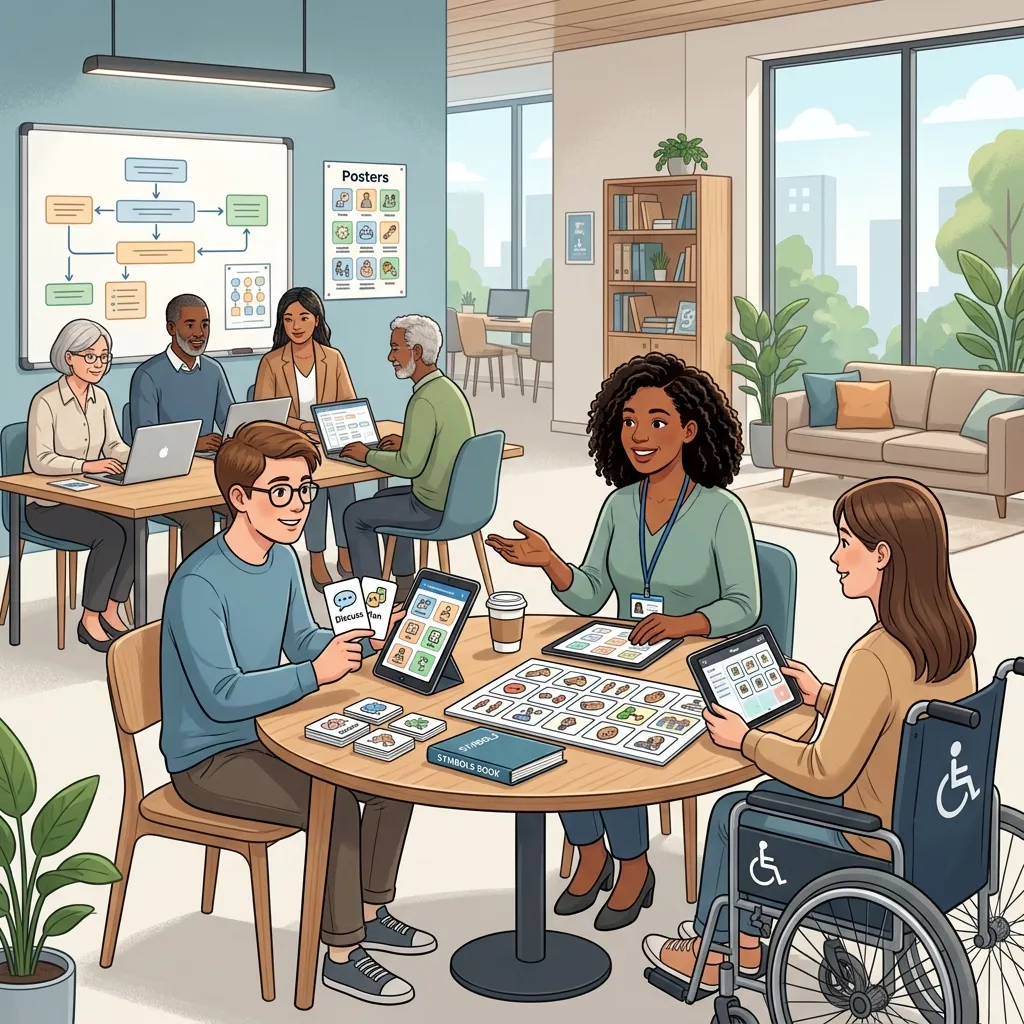
If you’re applying for a CSW role, it helps to know what employers typically expect. A standard communication support worker job description usually includes the following elements.
Purpose of the role: To provide communication and learning support to individuals with hearing loss, speech difficulties, or special educational needs.
Key responsibilities:
- Provide communication support using sign language, note-taking, or other agreed methods.
- Prepare and adapt materials before sessions.
- Liaise with teachers, therapists, or family members to understand each person’s needs.
- Keep records of progress and report any concerns.
- Promote inclusion and independence at all times.
Reporting line: Most CSWs report to a teacher, special educational needs coordinator (SENCO), or a learning support manager.
Working hours: Roles in education often follow term-time schedules, while healthcare or community roles may involve shifts.
Understanding the job description early helps you tailor your application and prepare for interviews with confidence.
What Skills Does a Communication Support Worker Need?
Success in this role depends on a blend of technical know-how and personal qualities. Here are the skills that matter most.
Technical skills
- Sign language proficiency: Many roles require fluency in BSL, ASL, or another recognized sign language.
- Note-taking speed: The ability to capture spoken information quickly and accurately.
- Lipreading awareness: Knowing how to position yourself and speak clearly to support lipreaders.
- Basic IT skills: Many CSWs use laptops or tablets to type notes and adapt materials.
Personal qualities
- Patience: Communication can take time, and rushing helps no one.
- Empathy: Understanding the frustrations someone faces builds trust.
- Clear communication: Speaking simply and listening carefully are both essential.
- Reliability: Students and colleagues need to know they can count on you.
- Adaptability: No two days—or two individuals—are exactly the same.
If you naturally connect with people and enjoy problem-solving, you likely have the foundation to thrive as a communication support worker.
Communication Support Workers in Education Settings
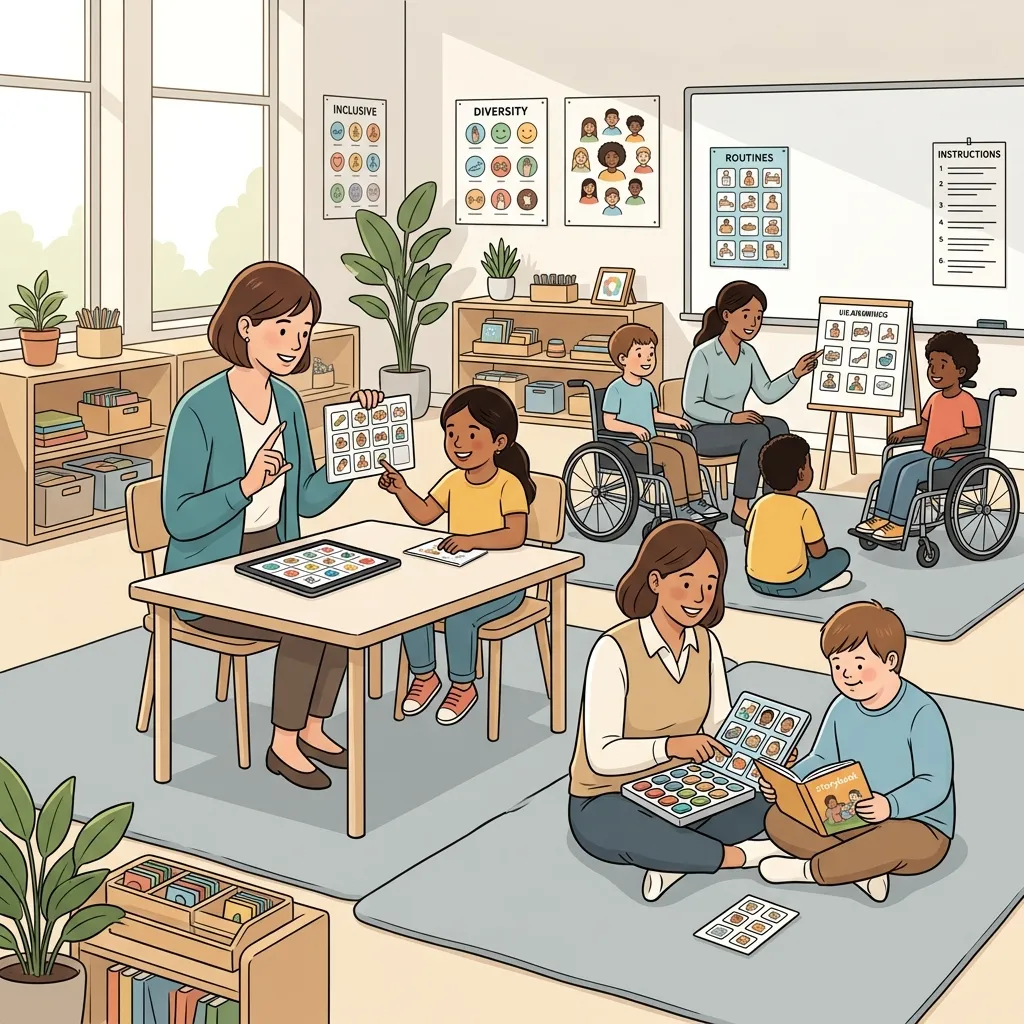
Education is the most common field for communication support workers. Schools, colleges, and universities all rely on CSWs to make learning accessible for students with additional needs.
In a classroom, a communication support worker might sit beside a deaf student and sign what the teacher is saying. In a lecture hall, they may take detailed notes for a student who can’t follow fast-paced speech. At every level, the goal stays the same: helping the student learn on equal footing with their peers.
CSWs also work closely with teachers. They share insights about how a student learns best, suggest classroom adjustments, and help shape inclusive lesson plans. This teamwork makes a real difference to a student’s experience.
Communication Support Workers for Special Needs Students
Many communication support workers specialize in supporting students with special educational needs (SEN). These students may have conditions such as autism, Down syndrome, or cerebral palsy that affect how they communicate.
In these cases, a CSW might use tools like picture exchange systems, communication boards, or assistive technology. They tailor their approach to each child, building a strong relationship that helps the student feel safe and understood.
This specialized work requires extra patience and creativity. The reward, though, is seeing a child gain confidence and find new ways to express themselves.
Why Are Communication Support Workers Important in Schools?
The presence of a skilled communication support worker can transform a student’s school experience. Without one, a deaf or speech-impaired student may struggle to follow lessons, fall behind, or feel isolated from classmates.
Communication support workers level the playing field. They make sure these students receive the same education as everyone else, which supports both academic achievement and emotional wellbeing.
Beyond the individual student, CSWs help build a more inclusive school culture. They model respect, patience, and understanding—values that benefit the entire community. When schools invest in communication support, every student learns the importance of inclusion.
How to Become a Communication Support Worker
Ready to pursue this career? Here’s a step-by-step look at how to become a communication support worker.
Step 1: Build your communication skills. Start by learning sign language. Many people begin with introductory BSL or ASL courses and work their way up to advanced levels.
Step 2: Gain relevant experience. Volunteering with deaf organizations, schools, or community groups gives you hands-on practice and strengthens your résumé.
Step 3: Complete a relevant qualification. While entry requirements vary, many employers value a qualification in communication support, deaf studies, or a related field.
Step 4: Apply for roles. Look for openings in schools, colleges, healthcare settings, and community services. Tailor each application to the specific job description.
Step 5: Keep learning. The best CSWs continue training throughout their careers, staying current with new techniques and technologies.
The path is flexible, so you can build skills and experience at a pace that suits you.
Communication Support Worker Qualifications and Training
Although requirements differ by employer and region, certain qualifications are widely recognized for communication support workers.
- Sign language certificates: Levels 1 through 3 in BSL or equivalent qualifications in other sign languages.
- Communication support work courses: Specialized programs that cover note-taking, lipreading support, and working in education.
- Deaf studies qualifications: Diplomas or degrees that deepen your understanding of deaf culture and communication.
- First aid and safeguarding training: Often required when working with children or vulnerable adults.
Many CSWs start with a basic sign language course and add qualifications over time. On-the-job training is also common, allowing you to learn while you work.
Communication Support Worker Salary and Career Path
Pay for communication support workers varies based on experience, location, and setting. Entry-level roles typically start at a modest rate, with salaries rising as you gain qualifications and experience. Specialist roles or positions in higher education often pay more.
The career path offers plenty of room to grow. Here are some directions you might take:
- Senior communication support worker: Leading a team or taking on more complex cases.
- Sign language interpreter: With advanced training, many CSWs become qualified interpreters.
- Teacher of the deaf: Some pursue teaching qualifications to work directly as specialist educators.
- Specialist roles: Focusing on areas like deafblind support or assistive technology.
This is a career where dedication pays off—both financially and in personal fulfillment.
Taking Your First Step as a Communication Support Worker
A career as a communication support worker offers something rare: the chance to make a genuine difference every day. You’ll help people communicate, learn, and connect in ways they couldn’t manage alone. The skills you build will be valuable across education, healthcare, and beyond.
If this path appeals to you, start small. Sign up for an introductory sign language course, reach out to local deaf organizations, or volunteer at a school. Each step brings you closer to a rewarding role that truly matters.
Ready to begin? Research accredited training providers in your area and take that first step toward becoming a communication support worker.
Frequently Asked Questions
What qualifications do I need to be a communication support worker?
Most communication support worker roles require a sign language qualification, such as BSL or ASL levels 1 to 3. Many employers also value experience working with deaf or special needs individuals, plus safeguarding and first aid training when supporting children.
How long does it take to become a communication support worker?
The timeline varies. Learning sign language to a working level can take one to three years, depending on how often you study. Some people enter entry-level support roles sooner and gain qualifications on the job.
Where do communication support workers usually work?
Communication support workers most often work in schools, colleges, and universities. They also work in hospitals, workplaces, and community organizations—anywhere someone needs help to communicate effectively.
Is being a communication support worker a good career?
Yes, for the right person. The role offers strong job satisfaction, growing demand, and clear progression into interpreting or specialist teaching. It suits people who are patient, empathetic, and enjoy helping others overcome communication barriers.
What does a communication support worker do?
A communication support worker helps individuals with hearing loss, speech difficulties, or additional needs to communicate effectively and access information in everyday settings.
Where do communication support workers usually work?
They typically work in schools, colleges, universities, healthcare settings, and community organizations where communication assistance is needed.
Who can benefit from a communication support worker?
People with hearing impairments, speech challenges, learning disabilities, or other communication difficulties can benefit from their support.
What skills are important for this role?
Key skills include patience, empathy, clear communication, sign language ability, note-taking, and adaptability.
Do communication support workers need sign language skills?
In many cases, yes. Knowledge of sign language such as BSL or ASL is often required or strongly preferred depending on the role.
What is the difference between a communication support worker and an interpreter?
An interpreter mainly translates spoken language into sign language, while a communication support worker provides broader support including note-taking, learning assistance, and communication facilitation.
Can communication support workers work with children and adults?
Yes, they can support both children and adults depending on the job setting and requirements.
What training is needed for this role?
Training often includes sign language courses, communication support qualifications, safeguarding training, and practical experience in relevant environments.
Is experience required to become a communication support worker?
Some entry-level roles may accept beginners, but experience in education, care, or communication support is usually an advantage.
Is this a rewarding career?
Yes, many people find it highly rewarding because it directly helps others communicate, learn, and participate more fully in society.