
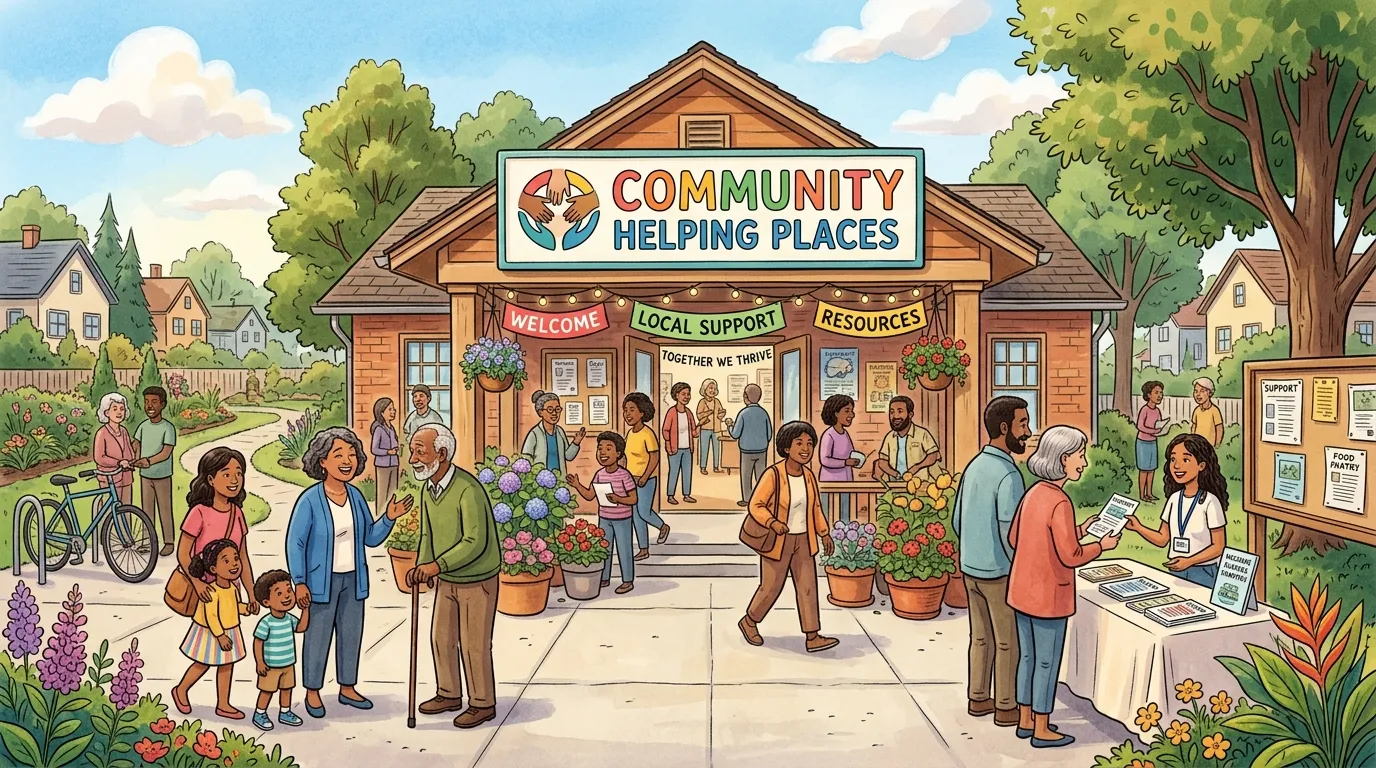
A Community Helping Place provides local support services such as food assistance, housing resources, financial aid, healthcare referrals, and emotional support for individuals and families in need. This guide explains how community helping places work, the services they offer, how to find help in your area, and ways to support these valuable community organizations.
A Community Helping Place is a local organization that connects individuals and families with essential services such as food assistance, housing support, financial aid, and emotional care. Everyone faces challenges from time to time, and these community-based resources help ensure that support is accessible, affordable, and close to home. Whether known as a support center, resource hub, or outreach program, a Community Helping Place exists to strengthen neighborhoods by helping people access the assistance they need. This guide explores the different types of services available, how to find local support, and ways to get involved in your community.
What is a community helping place?

A community helping place is any local organization set up to provide support, resources, or services to people in need. Some focus on a single issue, like hunger or housing. Others act as a one-stop hub, connecting visitors to dozens of services under one roof.
What ties them together is accessibility. These places are designed to be easy to reach, often free, and rooted in the neighborhoods they serve. They rely on a mix of paid staff, volunteers, government grants, and community donations to keep their doors open.
Think of them as the safety net beneath the official safety net—filling gaps that larger systems often miss.
What are the main types of community support centers?
Not all community support centers serve the same purpose. Some focus on providing immediate assistance, while others specialize in long-term support, education, healthcare, or housing services. Understanding the different types of community helping places can make it easier to find the right resources for your specific needs. Whether you’re looking for financial assistance, food support, counseling, job training, or healthcare referrals, there are organizations designed to address different challenges. By learning how these centers operate and the services they provide, you can connect with the most appropriate support quickly and effectively.
Community support centers
A community support center is a general-purpose hub. Walk in, and a staff member or volunteer will help you figure out what you need and where to get it. These centers often handle everything from benefit applications to crisis counseling.
They’re a smart first stop if you’re not sure exactly what kind of help you’re looking for. The staff can point you toward specialized services or handle your needs on-site.
Local community assistance programs
Local community assistance programs tend to focus on specific, practical needs. Common examples include:
- Rent and utility assistance
- Emergency food supplies
- Transportation vouchers
- Help with medical or prescription costs
These programs are often run by city governments, churches, or nonprofits. Eligibility usually depends on income, so it’s worth calling ahead to check what documents you’ll need.
Neighborhood help services
Neighborhood help services operate on a smaller, more personal scale. Picture a group of neighbors who organize grocery runs for elderly residents, or a local time bank where people trade skills instead of money.
These services thrive on trust and proximity. They may not have a formal office, but they fill everyday gaps that bigger organizations overlook—like fixing a leaky faucet or sitting with someone who’s lonely.
Community resource centers
A community resource center works like a library of services. Instead of providing every service itself, it maintains a directory of local programs and helps people navigate them.
Choose a community resource center if you feel overwhelmed by where to start. Their whole purpose is helping you cut through red tape and reach the right service quickly.
What services do community helping places offer?
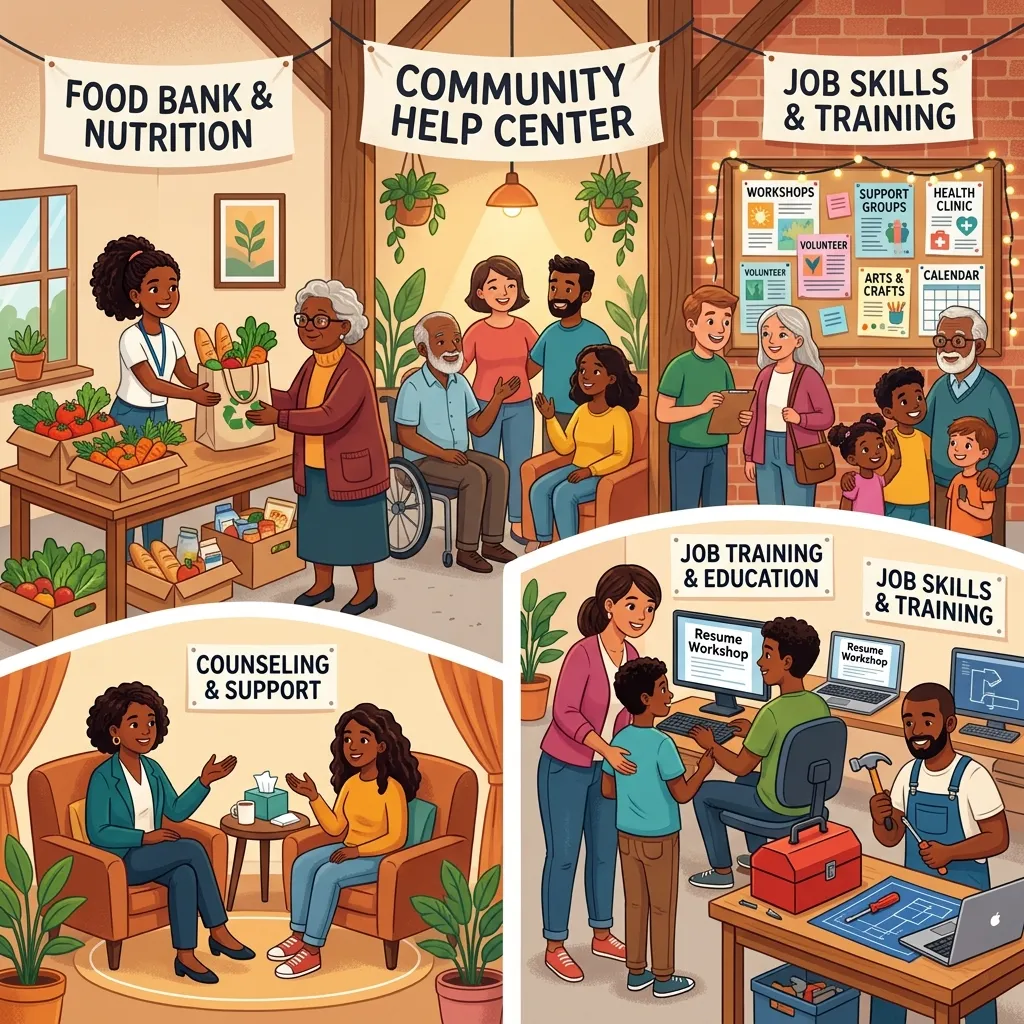
The range of support is wider than most people expect. While offerings vary by location, here are the most common services you’ll find.
Food and nutrition support
Food banks, pantries, and free meal programs make up the backbone of many helping places. Some offer fresh produce, others provide ready-made meals, and many partner with schools to feed kids during summer breaks.
Housing and shelter assistance
This includes emergency shelter, help with security deposits, eviction prevention, and referrals to transitional housing. Housing-focused programs often work alongside case managers who help create a longer-term plan.
Financial and employment aid
Many community welfare organizations offer budgeting help, job training, resume workshops, and connections to local employers. Some run small emergency grant programs for one-time crises, like a car repair that threatens someone’s ability to work.
Health and wellness services
Free clinics, mental health counseling, addiction recovery support, and prescription assistance often run through community care and support hubs. These services fill critical gaps for people without insurance.
Social and emotional support
Loneliness and isolation are real problems, especially for seniors and new arrivals. Social support services for communities offer group activities, peer support circles, and friendly check-in calls that combat isolation.
How do you find a community helping place near you?
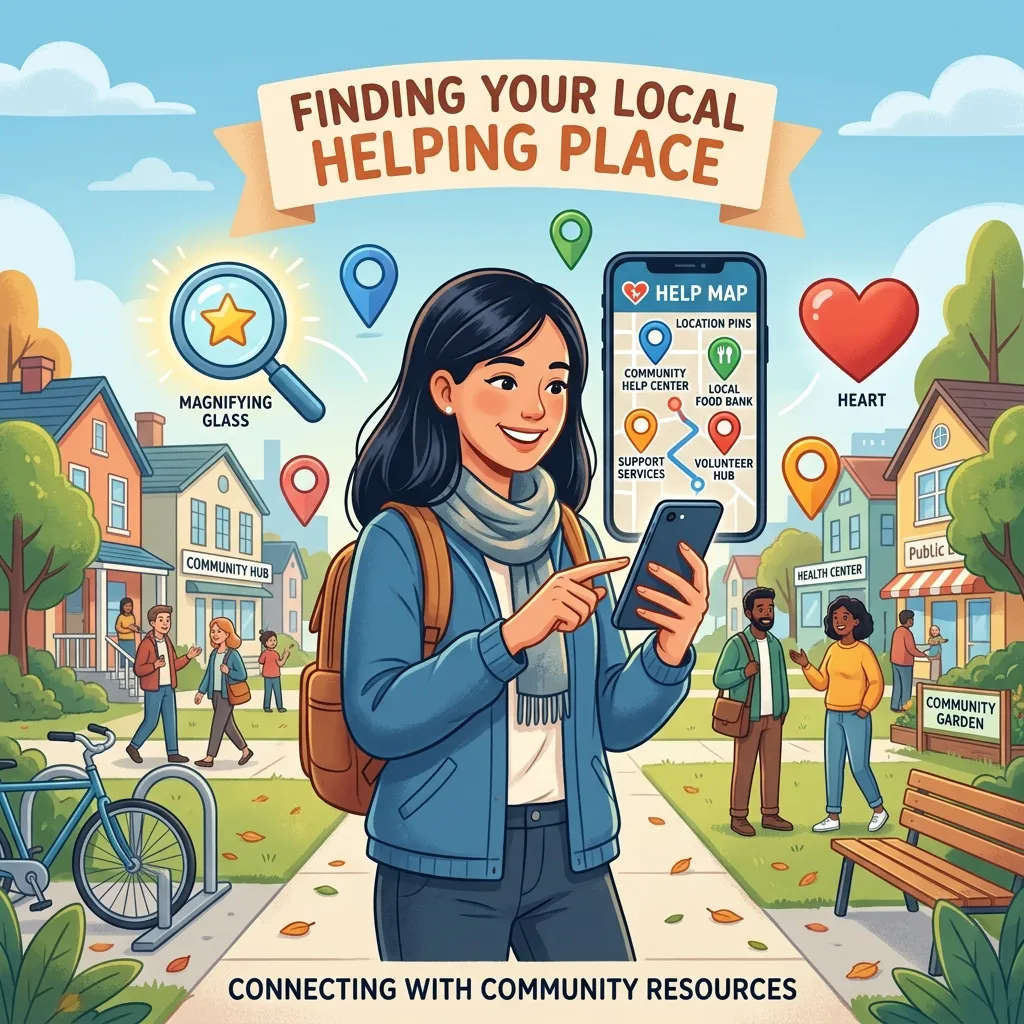
Finding local support is easier than it used to be. Here are the most reliable ways to start.
- Call 211. In the United States and parts of Canada, dialing 211 connects you to a free, confidential helpline that lists local resources for food, housing, health, and more.
- Search online directories. Websites like FindHelp.org let you search by ZIP code to find nearby programs.
- Visit your local library. Libraries often double as informal community resource centers and keep lists of nearby services.
- Ask at places of worship. Churches, mosques, synagogues, and temples frequently run or know of local aid and assistance centers.
- Check with city or county offices. Local government social services departments can connect you to community outreach programs you may not find elsewhere.
Don’t be shy about reaching out. The people staffing these places do this work precisely because they want to help.
Why do community helping places matter?
Community helping places do more than hand out aid. They strengthen the social fabric in ways that ripple outward for years.
According to Feeding America, the network of food banks it supports serves more than 46 million people each year—proof of how deeply communities rely on these resources. When a local aid and assistance center helps a family stay in their home, it prevents a far costlier chain of events: homelessness, job loss, and strain on emergency services.
There’s also the human side. A volunteer support organization that pairs an isolated senior with a weekly visitor isn’t just providing company. It’s improving that person’s health, mood, and sense of belonging.
In short, these places turn strangers into neighbors and neighbors into a support network.
How can you get involved with a community welfare organization?
You don’t need money or special skills to make a difference. Most community outreach programs welcome help in many forms.
- Volunteer your time. Sorting donations, driving deliveries, or answering phones all keep these organizations running.
- Donate goods. Canned food, gently used clothing, and household items are almost always needed.
- Give money. Even small recurring donations help cover rent, utilities, and supplies.
- Share your skills. A community welfare organization may need help with bookkeeping, web design, or grant writing.
- Spread the word. Telling others about a community care and support hub helps reach people who need it most.
Start small. Even a few hours a month can make a meaningful difference in someone’s life—and in your own sense of connection.
Taking the next step toward community support
Community helping places are the quiet engines of resilient neighborhoods. Whether you need a hand or want to lend one, there’s a place near you doing the work.
If you’re facing a hardship right now, start with one simple action: dial 211 or search your ZIP code on a local resource directory. If you’re in a position to give, reach out to a nearby volunteer support organization and ask how you can help this week.
Support flows both ways in a healthy community. The more we use and strengthen these local lifelines, the stronger our neighborhoods become.
Frequently asked questions
What’s the difference between a community resource center and a support center?
A community resource center mainly connects you to other services by maintaining a directory and helping you navigate options. A community support center is more likely to provide services directly on-site, such as counseling or benefit applications. Choose a resource center if you need guidance, and a support center if you need hands-on help.
Are community helping places free to use?
Most community helping places offer their core services for free. Some programs—like rent or utility assistance—may have income requirements, so call ahead to confirm eligibility. You should never be charged simply to access information or basic support.
Who qualifies for local community assistance programs?
Eligibility varies by program. Many financial and housing programs use income limits, while food pantries and social support services often have few or no requirements. The best approach is to contact the program directly and ask what documents, if any, you’ll need to bring.
How do I find a community helping place if I don’t have internet access?
Dial 211 from any phone in the U.S. and many parts of Canada to reach a free helpline that lists local resources. You can also visit a public library or a local place of worship, both of which usually keep lists of nearby aid and assistance centers.
Can I get help from a community welfare organization in an emergency?
Yes. Many community welfare organizations run emergency programs for urgent needs like food, shelter, or one-time financial crises. For immediate danger, always call emergency services first, then reach out to a local outreach program for follow-up support.
How does a Community Helping Place support families in need?
A Community Helping Places supports families by providing access to food assistance, housing resources, financial aid programs, counseling services, and other essential support designed to improve stability and well-being.
Can a Community Helping Place help with food assistance?
Yes, many Community Helping Places organizations operate food pantries, meal programs, and nutrition assistance services to help individuals and families facing food insecurity.
What services can I expect from a Community Helping Place?
A typical Community Helping Places may offer emergency financial assistance, housing support, healthcare referrals, employment resources, mental health services, and community outreach programs.
Is a Community Helping Place only for low-income individuals?
No, a Community Helping Places may assist anyone experiencing temporary hardships, emergencies, or challenges, although some programs may have income-based eligibility requirements.
How can seniors benefit from a Community Helping Place?
A Community Helping Places often provides seniors with social support programs, transportation assistance, meal services, wellness resources, and connections to local care providers.
Can a Community Helping Place help during a financial emergency?
Yes, many Community Helping Places organizations offer emergency assistance for rent, utility bills, transportation costs, and other urgent financial needs when resources are available.
How do I find a Community Helping Place near me?
You can find a Community Helping Places by contacting local social service agencies, calling 211, visiting community resource directories, or checking with local nonprofits and places of worship.
Are Community Helping Place services confidential?
Most Community Helping Place organizations handle personal information confidentially and follow privacy guidelines to protect the individuals and families they serve.
How can I volunteer at a Community Helping Place?
Many Community Helping Places programs welcome volunteers to assist with food distribution, administrative work, fundraising, mentoring, community events, and outreach activities.
Why is a Community Helping Place important for local communities?
A Community Helping Places strengthens communities by connecting residents with critical resources, reducing hardship, promoting self-sufficiency, and creating a stronger support network for people in need.